
 By admin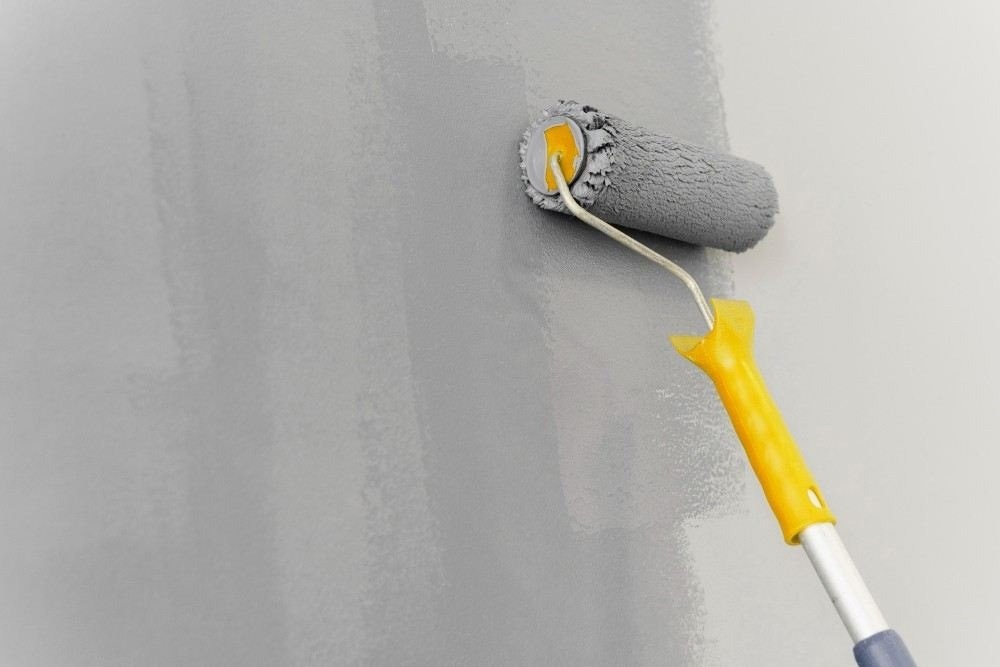
Protective and attractive exterior coatings play a crucial role in maintaining the durability and aesthetic appeal of buildings, vehicles, and various outdoor structures. These coatings serve as a first line of defense against environmental factors such as UV radiation, moisture, temperature fluctuations, pollution, and physical wear. By applying high-quality exterior coatings, surfaces are shielded from corrosion, fading, cracking, and other forms of deterioration that can compromise structural integrity over time.
Modern exterior coatings combine functionality with visual enhancement. They are designed not only to protect but also to complement architectural styles or product designs through color variety and finish options like matte, gloss, satin, or textured effects. This dual purpose ensures that protective treatments do not merely preserve surfaces but also contribute positively to their overall appearance.
One important aspect of effective exterior coatings is their formulation. Advanced materials often include polymers that create a strong barrier against water penetration while allowing the surface to breathe. This breathability prevents trapped moisture from causing blistering or peeling beneath the coating layer. Additionally, UV-resistant additives help minimize sun damage by absorbing or reflecting harmful rays before they degrade pigments or weaken binders within the paint film.
Another consideration is resistance to chemicals and pollutants commonly found in urban environments. Coatings engineered for these conditions incorporate special resins that maintain adhesion despite exposure to acids, salts from road de-icing agents, exhaust emissions, and other contaminants. This chemical resistance extends the lifespan of coated surfaces significantly compared to untreated ones.
Application methods also influence performance outcomes for protective exterior coatings. Proper surface preparation including cleaning and priming ensures better adhesion and uniform coverage which enhances both protection levels and visual consistency across large areas. Spray application techniques enable even distribution on complex shapes whereas brush or roller methods may be preferred for smaller projects requiring precision control.
Maintenance plays an essential role in prolonging the benefits provided by these coatings. Regular inspections allow early detection of damage such as chips or cracks so timely touch-ups can prevent further degradation spreading underneath layers. Cleaning routines tailored to specific coating types remove dirt buildup without compromising protective properties.
In summary, choosing suitable protective and attractive exterior coatings involves understanding environmental challenges along with desired aesthetic results. Investing in innovative formulations combined with correct application practices delivers durable protection while enhancing curb appeal effectively over many years under demanding outdoor conditions.