
 By admin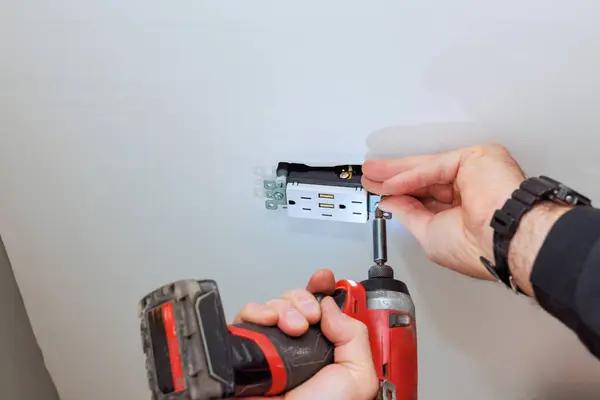
Installing a home charging station for an electric vehicle (EV) is becoming increasingly popular as more people transition to sustainable transportation. Understanding the process and requirements involved can help ensure a smooth installation experience. The first step in setting up a home charging station is assessing your electrical system’s capacity. Most homes have a standard 120-volt outlet, which provides slow charging suitable for overnight use but may not be efficient for daily driving needs. A dedicated Level 2 charger operating at 240 volts offers faster charging times and requires professional installation to handle the higher power demand safely.
Before installation, it is important to consult with a licensed electrician who can evaluate your current electrical system upgrades panel and determine if upgrades are necessary. Older panels might lack sufficient amperage or breaker space to support an EV charger, so enhancements such as installing a subpanel or upgrading the main service might be required. This evaluation also includes verifying local building codes and utility regulations that could affect where and how the charger is installed.
Vineyard UT electrical services
Choosing the right location for your home charging station involves considering convenience, safety, and protection from environmental factors like rain or extreme temperatures. Many homeowners prefer placing chargers in garages or carports where vehicles are sheltered, but outdoor installations are possible with weatherproof units designed specifically for such conditions. The installer will run wiring from your electrical panel to the designated spot while ensuring compliance with all relevant safety standards.
The installation process typically involves mounting the charger on a wall or pedestal near your parking area, connecting it securely to your electrical supply, and testing its functionality before use. Some chargers come with smart features that allow users to monitor energy consumption remotely via smartphone apps or schedule charging during off-peak hours to reduce electricity costs.
After installation, it’s advisable to register your device with both the manufacturer and local utility provider if applicable; some utilities offer incentives or special rates for EV owners using home chargers. Regular maintenance of your charging equipment ensures longevity and optimal performance-this includes checking connections periodically and keeping the unit clean from dust or debris.
Overall, investing in a properly installed home EV charging station enhances convenience by enabling quick daily recharges without relying on public infrastructure. With careful planning involving professional assessment, adherence to safety codes, appropriate equipment selection, and ongoing upkeep, homeowners can enjoy reliable access to electric vehicle power tailored precisely to their lifestyle needs.
Copperhead Electric
Vineyard, UT 84059
801-404-0128