
 By admin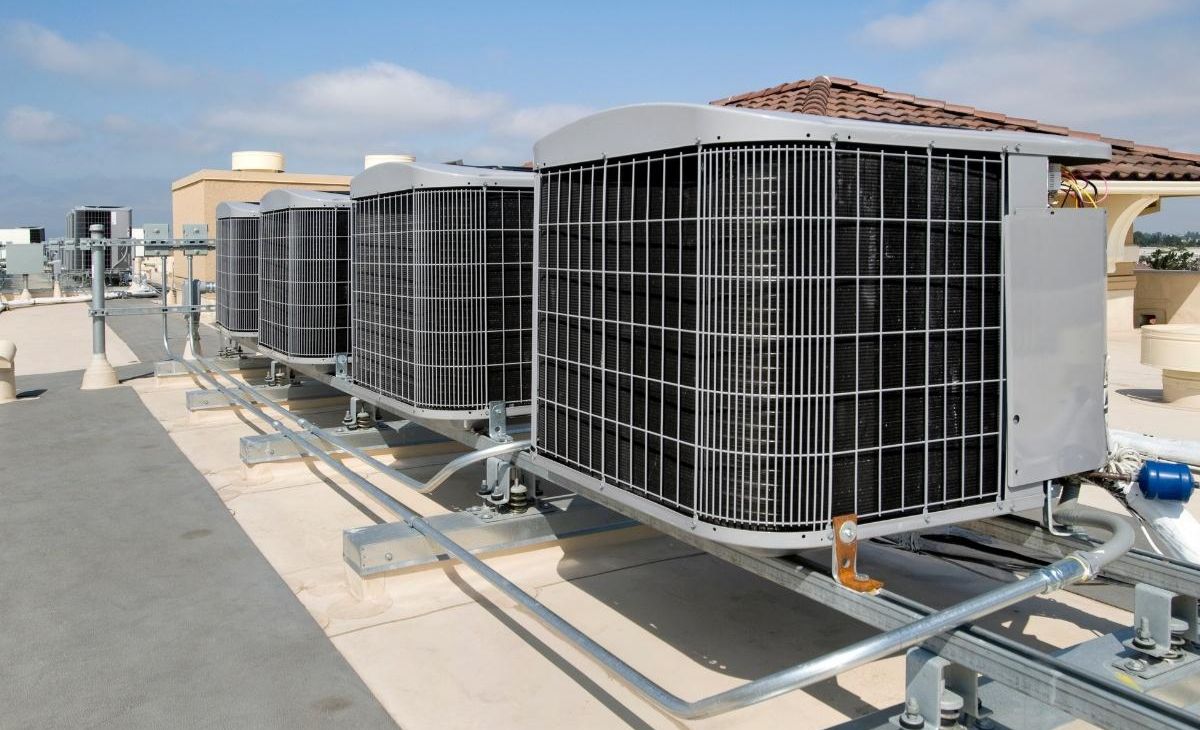
Maintaining HVAC infrastructure is essential for ensuring system efficiency, longevity, and indoor air quality. Proper upkeep not only reduces energy consumption but also prevents unexpected breakdowns that can lead to costly repairs or discomfort. A proactive approach to maintenance begins with regular inspections of all components, including air filters, coils, ducts, and electrical connections. Air filters should be checked frequently and replaced when dirty to maintain optimal airflow and prevent strain on the system. Clean filters contribute significantly to better air quality by trapping dust, allergens, and other particles.
Coils require periodic cleaning as they tend to accumulate dirt over time, which impairs heat exchange efficiency. Neglecting coil maintenance can cause the system to work harder than necessary, leading to increased energy costs and wear on parts. Ductwork must be inspected for leaks or blockages since damaged ducts reduce airflow effectiveness and allow contaminants into the circulated air. Sealing any gaps in duct systems helps improve performance while reducing energy waste.
Electrical components deserve careful attention during routine checks because loose connections or worn-out wiring pose safety risks and may cause intermittent operation failures. Ensuring that thermostats are calibrated correctly also plays a crucial role in maintaining desired temperature settings without overburdening the HVAC units. Scheduling professional tune-ups at least twice a year allows trained technicians to identify issues early before they escalate into major problems. These visits typically include comprehensive evaluations of refrigerant levels, motor functions, belts, fans, drainage systems, and overall operational integrity.
Lubrication of moving parts such as motors and bearings minimizes friction-related damage while extending equipment life expectancy. learn more about it here is equally important to keep outdoor units free from debris like leaves or dirt accumulation that could obstruct airflow around condenser coils. Implementing smart controls with programmable thermostats enhances energy management by adjusting temperatures based on occupancy patterns rather than relying solely on manual adjustments.
Documentation of all maintenance activities provides valuable records that help track system history and anticipate future needs more accurately. Educating building occupants about proper usage habits complements technical efforts by preventing misuse or unnecessary strain on HVAC infrastructure.
In summary, adhering consistently to best practices in HVAC infrastructure maintenance ensures reliable performance throughout its service life while promoting environmental sustainability through reduced power consumption. Regular cleaning procedures combined with timely professional inspections create an effective strategy for optimizing comfort levels indoors without compromising operational costs or equipment durability over time.