
 By admin
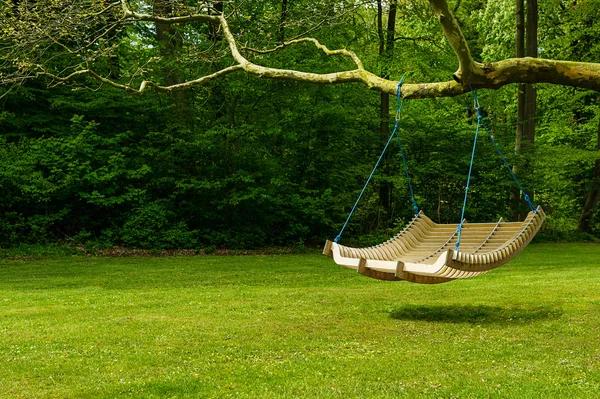
In today’s fast-paced urban environment, finding a slice of nature amidst the concrete jungle becomes increasingly important. The resurgence of urban gardening is all about accessibility, sustainability, and creativity. Whether it’s a milk crate garden on your balcony or a skyline garden atop a high-rise, these green spaces are more than just aesthetic additions—they’re essential for well-being.
The Rise of Milk Crate Gardens
Milk crate gardens have become a favorite among urban gardeners for their simplicity and flexibility. Perfect for small spaces, these gardens allow you to grow your plants vertically, making the most of limited areas. You can customize the arrangement and move them around to catch the best sunlight. It’s like playing a real-life game of Tetris, but with plants. Plus, using recycled materials like milk crates adds an eco-friendly touch to your gardening efforts.
Transforming Rooftops into Skyline Gardens
Skyline gardens offer a unique opportunity to transform otherwise unused rooftop spaces into thriving ecosystems. Imagine looking out over your city and seeing a lush green landscape instead of endless rooftops. These gardens not only provide a beautiful view but also contribute to urban biodiversity. They can help reduce the urban heat island effect, lower energy costs, and even improve air quality. It’s a win-win for you and the environment.
Cultivating a Garden Movie Experience
Ever thought about combining your love for gardening with your passion for movies? Creating a garden movie setup can be a fantastic way to enjoy outdoor film nights surrounded by nature. Imagine setting up a projector in your milk jug garden, surrounded by your favorite plants, and watching a classic film under the stars. This unique experience brings together the best of both worlds, making your garden a place for relaxation and entertainment.
Drawing Inspiration from Linnaeus Gardens
For those who enjoy a more structured approach, the Linnaeus garden concept offers inspiration. Named after the famous botanist Carl Linnaeus, these gardens focus on categorizing and organizing plants systematically. You can create a garden that not only looks beautiful but also serves as an educational resource. Whether you follow a botanical theme or organize plants by their uses, such as culinary or medicinal, a Linnaeus garden can be both functional and fascinating.
What to Keep in Mind Next
As you embark on your urban gardening journey, remember that the key is to stay creative and adaptable. Every space is different, and what works for one person might not work for another. Be open to experimenting with different designs and techniques, and don’t be afraid to make mistakes along the way. Your garden is a living testament to your personality and creativity, so let it reflect who you are.
For more inspiration and tips on how to cultivate your own urban paradise, check out this resource that dives deeper into the emotional benefits of gardening: