
 By admin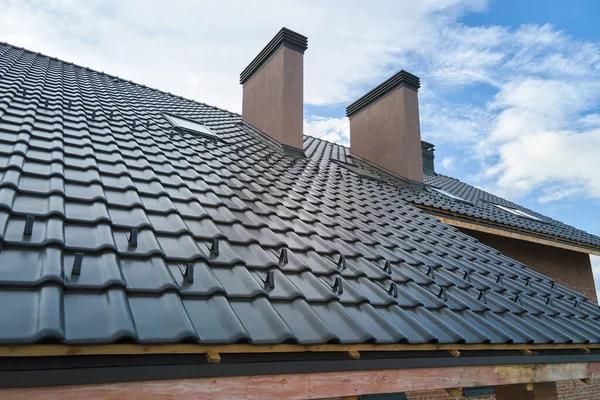
As storm season approaches, coastal homeowners must prioritize the readiness of their homes to withstand extreme weather conditions. One of the most critical aspects of this preparation is ensuring that your roof is in optimal condition. A well-maintained roof can be the difference between minor repairs and significant damage during a storm. Here’s a comprehensive checklist to get your roof storm-ready.
Begin with a thorough inspection of your roof. Look for missing or damaged shingles, as these are weak points where water can penetrate, leading to leaks and further structural damage. Pay attention to any signs of wear and tear, such as curling or buckling shingles, which indicate they may not hold up under heavy winds or rain. If you’re uncomfortable conducting an inspection yourself, consider hiring a professional roofing contractor who can provide expert insights into potential vulnerabilities.
Next, check for loose or damaged flashing around chimneys, vents, and skylights. Flashing is crucial for directing water away from seams and joints on your roof; if it’s compromised, water intrusion becomes more likely during severe weather events. Ensure all flashing is securely fastened and in good condition.
Gutters play an essential role in protecting your home by directing rainwater away from the structure’s foundation. Clean visit our website out any debris from gutters and downspouts to prevent blockages that could cause water overflow onto the roof or siding during heavy rains. Additionally, ensure that gutters are firmly attached and not sagging; reinforcing them now will help avoid detachment under stress from wind or accumulated debris.
Trim overhanging tree branches near your home as they pose a risk during storms—branches can break off due to high winds and cause significant damage upon impact with your roof. Regular trimming reduces this risk while also minimizing leaves’ accumulation in gutters.
Consider investing in impact-resistant roofing materials if you live in an area frequently hit by storms with hail or strong winds. These materials offer enhanced durability against harsh elements compared to traditional roofing options.
Ensure proper attic ventilation because inadequate airflow can lead to moisture buildup that weakens roofing materials over time—a vulnerability easily exploited by storms.
Finally, review your homeowner’s insurance policy before storm season begins so you understand what coverage applies should you need repairs after a storm event occurs.
By following this checklist diligently each year before storm season starts anew along coastlines everywhere ensures peace-of-mind knowing one’s residence remains fortified against nature’s fury when it strikes hardest unexpectedly yet inevitably every season anew without fail again soon enough once more someday eventually too soon perhaps sooner than later maybe even tomorrow who knows really best prepare today just always better safe than sorry wise words indeed timeless advice forever true smart move undoubtedly so do act accordingly wisely now please thank goodness gracious yes indeed absolutely positively right away immediately pronto stat!